| 英文說明 |
- “The primary task of a Waldorf teacher is to understand the
human being in body, soul, and spirit. The approach, the
curriculum, and the methods of an education that can
address the whole child will grow from this understanding.”
—Roberto Trostli
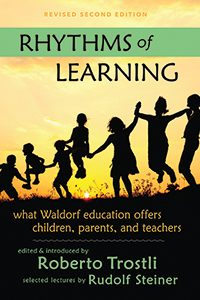
Waldorf education—an established and growing independent school
movement—continues to be shaped and inspired by Rudolf Steiner’s
numerous writings and lectures on education and child development.
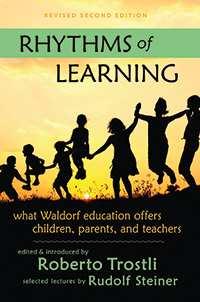
In Rhythms of Learning, key lectures on children and education have
been thoughtfully chosen from the vast amount of material by Steiner
and presented in a context that makes them reader-friendly and
accessible. In his many discussions and lectures, Steiner shared his
vision of education that considers the spirit, soul, and physiology in
children as they grow.
Roberto Trostli, a seasoned Waldorf teacher, has selected the works
that best illustrate the fundamentals of this unique approach. In each
chapter, Trostli explains Steiner’s concepts and describes how they
work in the contemporary Waldorf classroom. We learn how the
teacher–child relationship and the Waldorf school curriculum changes
as the students progress from kindergarten through high school.
Rhythms of Learning is an excellent resource for parents who want
to understand how their child is learning. Parents will also be more
prepared to discuss their children’s education with teachers, and
teachers will find here a valuable reference source and communication tool.
- “Our new generation of children will need an education that
not only addresses their intellects but also cultivates their
artistic abilities and develops their practical skills. Above
all they will need an education that can nurture the capacities
that will allow them to adapt to a rapidly changing world.
Emil Molt knew the man who developed a form of education
that meets those needs; that man was Rudolf Steiner.” —Roberto Trostli
Contents
- Sources
- Foreword
- Preface to the Revised Edition
- Introduction: A Seed for the Future
- The Foundations of Waldorf Education
The Education of the Child in the Light of Spiritual Science
- Teacher and Child
The Four Temperaments
Understanding Children’s Temperaments
Gratitude, Love, and Duty
- The Waldorf Kindergarten
The World of the Young Child
Walking, Speaking, Thinking
- The First School Years
From Whole to Part
Children from the Seventh to Tenth Years
Teaching Children to Write
Teaching Arithmetic
- The Middle Elementary School Years
Self and World
Zoology and Botany in the Elementary School
Nature Study in the Elementary School
Teaching Geography
- The Upper Elementary School Years
Cause and Consequence
The Child at Twelve
Teaching in the Upper Grades
Teaching History
- The High School Years
Adolescence—the Quest for Self
Working with Adolescents
- The Arts in Waldorf Education
The Jewels in the Crown
Education through Art
An Introduction to Eurythmy
|